


What Should My Tire Pressure Be?
Are you always on the move with little time for the tiny details? You may not realize your car’s tires are looking flat. If you continue to ignore the tire pressure, you risk uneven wear and reduced tire longevity. The same is true if you inflate your tires frequently, overinflating them to a point that risks blowouts. So, what should your tire pressure be?
Our team at Performance Kings Honda in Cincinnati, Ohio, will answer your questions and give you tips in our guide on tire pressure. Knowing the right tire pressure for your vehicle’s make and model is important. It also helps to know how to properly check your tires to prevent accidents.
Why Is Tire Pressure Important?
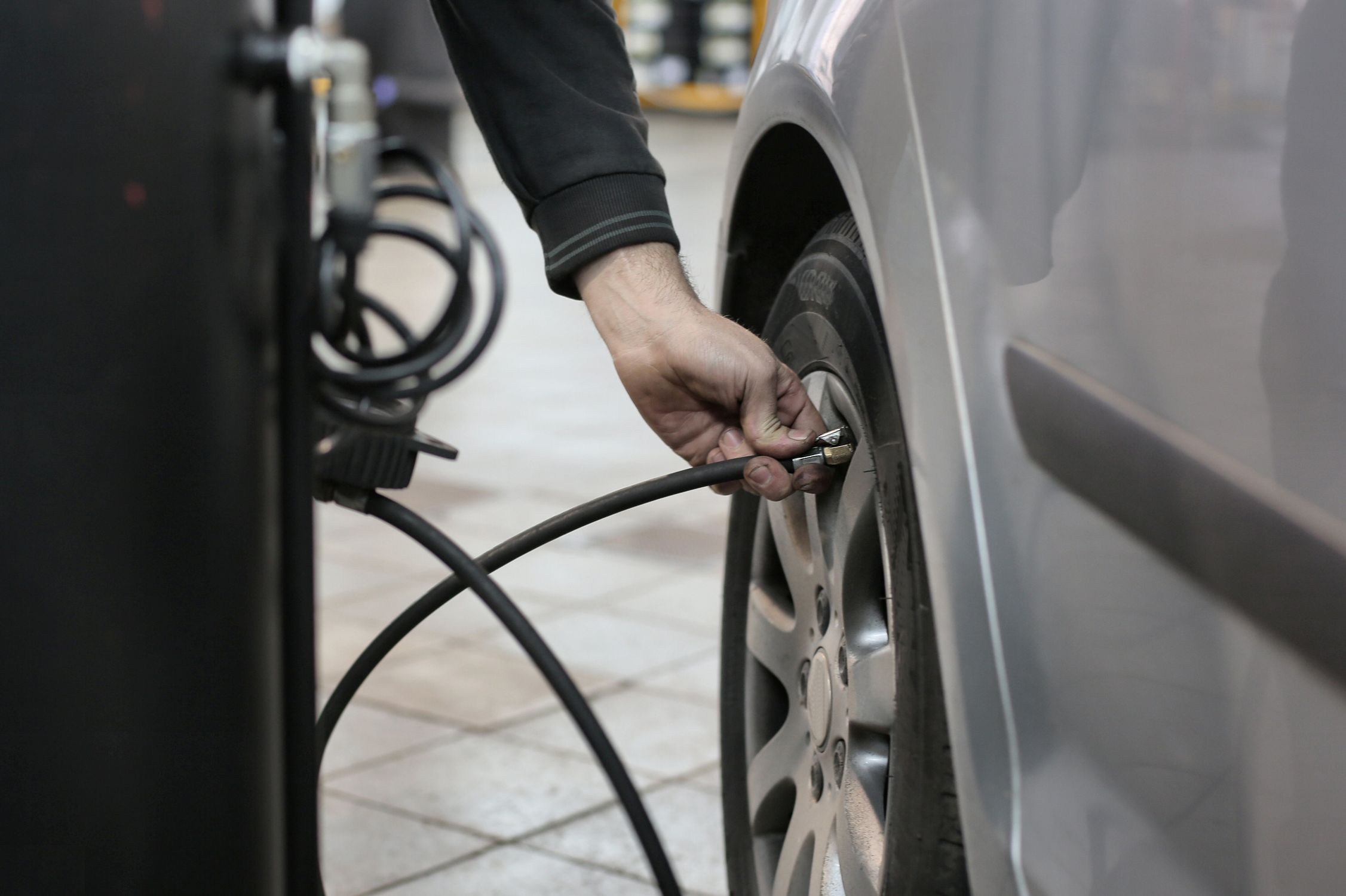
Person in Black Long Sleeve Shirt Holding Black Metal Bar Near Black Tire by Andrea Piacquadio is licensed with Pexels License
When you live a busy lifestyle with daily commuting, it’s easy to overlook your tire pressure. You might notice a bumpy ride or unsafe traction while you drive. If this happens to you, your tires are likely underinflated.
Adequate tire pressure is important, as it ensures a smooth and safe ride with good steering, cornering, and stability. When properly balanced, tires enhance your overall vehicle handling, allowing you to drive confidently on the highway or through the city. Maintaining the recommended tire pressure also prolongs the tire tread life span, helps the tires wear evenly, and even boosts your car’s fuel efficiency.
Where Can I Find My Vehicle’s Recommended Tire Pressure?
When filling up your tires, inflate them to the recommended tire pressure to ensure quality performance, balance, and wear. Some drivers mistake their tire pressure for the numbers imprinted on the tire’s sidewalls. Unfortunately, these numbers are often misread because they list the maximum pressure the tire can hold, not your vehicle’s actual tire pressure recommendation.
Fortunately, auto manufacturers list your vehicle’s recommended tire pressure in multiple spots to make it easy for you to maintain your tires.
Vehicle’s Owners Manual
Your vehicle comes with an owners manual provided by the manufacturer. This manual serves as a guide that covers everything you need to know about your car. Use it as the primary source for recommended tire pressure because the information is tailored to your vehicle.
Driver’s Side Door Jamb
The most common spot to find your car tire’s psi is inside the driver’s side door. Open your driver-side door and locate a bright white and yellow sticker on the door jamb. This sticker usually lists the recommended tire pressure.
Inside the Fuel Hatch
Check the inside of your car’s fuel hatch to find the recommended psi for your tires. This small hatch is what you open when you fill your car up with gas. Some vehicle manufacturers place the tire pressure information sticker here.
Vehicle’s Glovebox Door
The glovebox on your passenger side is typically where your vehicle’s owners manual is. It’s also a spot that becomes a catchall for your receipts, vehicle registration, insurance, and other important car things. But it could be another potential location for the tire pressure sticker.
General Tire Pressure Guidelines
Are you looking to get your Honda road trip ready? Improve your vehicle safety and tire longevity by adhering to the general tire pressure guidelines for your vehicle type.
Passenger Cars
Passenger cars such as sedans and coupes typically have a tire pressure recommendation of between 32 psi and 35 psi when cold. While this number varies depending on your car’s exact model, you can expect the recommended tire pressure to be within this range.
SUVs and Trucks
If you drive a larger vehicle such as an SUV or a truck, expect a wider range for the recommended tire pressure. These vehicles typically have a pressure range of between 30 psi and 45 psi, depending on their load or the amount of weight they can carry.
Tips for Checking and Maintaining Tire Pressure
Ready to inflate your car’s tires? There are some helpful tips on how to check your tires and maintain proper pressure to optimize their performance.
Check When Cold
Checking your tires when they’re cold is highly recommended. Consider checking the tire pressure first thing in the morning after sitting in a parking spot overnight vs. after a long day of driving. The heat generated from friction on the road or warm weather increases the tire pressure. Colder tire temperatures provide the most accurate readings for the tire’s psi.
Seasonal Fluctuations
Seasonal changes can create a drop in tire pressure, affecting the reading. It’s imperative to do regular tire checks because tire pressure can change with fluctuating temperatures. Set a calendar reminder on your smartphone to check your tires when the seasons change from warm to cold and vice versa.
Use a Quality Gauge
Most new vehicles have a tire pressure monitoring system that automatically indicates irregular tire pressure. While this system is convenient, it’s not the most reliable source to maintain appropriate tire pressure. It typically only alerts you if the tire pressure is under 25% of the recommended pressure but doesn’t provide psi numbers.
Tire pressure gauges at your local gas station’s air pump also lack accuracy because of abuse or environmental exposure. Instead, consider investing in a good tire pressure air gauge for accurate measurements. Keep it in your glovebox to find it easily whenever you need it.
Maintain Your Tires’ Life Span by Visiting Your Local Tire Center
Maintaining proper tire pressure is essential to enhancing the life span of your tires. It also helps keep you and your passengers safe on the road. For tire services that extend beyond appropriate air pressure, contact our Performance Kings Honda Tire Center in Cincinnati, Ohio. Our expert service technicians can diagnose any tire problem and perform rotations, alignments, and replacements. Get genuine Honda tires that fit your car model. Our trained tire professionals will ensure the tires are properly inflated and fit your car perfectly. We even offer special discounts on tire services that suit your budget.
0 comment(s) so far on What Should My Tire Pressure Be?