


Understanding the Honda Service Schedule for Cincinnati
Welcome to your locally tailored maintenance guide for Cincinnati drivers, brought to you by Performance Kings Honda. Having served the community for decades, we understand that driving conditions in Cincinnati, as well as in nearby Mason, Hamilton, Loveland, and Butler County, come with their own unique challenges. From navigating the hilly terrain to managing the seasonal weather changes, it’s essential to keep your Honda in peak condition. This guide is designed to align Honda’s recommended service schedule with the specific demands of our local roads and climate, ensuring that your vehicle continues to deliver the performance and reliability you rely on.
Why Should You Follow a Maintenance Schedule for Your Honda?
Following a maintenance schedule is crucial for protecting your investment in a Honda and ensuring it remains a dependable companion for your daily commutes around Cincinnati. Local conditions-like the sweltering summer heat and high humidity-can put extra stress on your vehicle’s fluids and belts, while the abundant pollen in spring can clog air filters. Regular servicing addresses these specific challenges, helping to maintain your vehicle’s integrity and performance.
By adhering to the recommended maintenance intervals, you’ll enhance your Honda’s performance, fuel efficiency, and safety. For instance, a well-maintained Honda CR-V Hybrid is better equipped to navigate the hilly terrain of neighborhoods like Hyde Park and manage the stop-and-go traffic on Fort Washington Way. It’s not just about avoiding breakdowns; it’s about ensuring your car operates as intended, giving you peace of mind on every drive. For more insights on vehicle care, resources like Edmunds offer a wealth of information.
How Does Honda’s Service Reminder System Work?
Honda vehicles help keep you informed about when it’s time for routine maintenance. Depending on the model and year, your vehicle may use a straightforward time or mileage counter, or it might adjust reminders based on how you drive. This system is designed to prompt you to take action and follow the recommended maintenance schedule for your specific vehicle.
Typically, when maintenance is due, you might see a dashboard message, a service indicator like a wrench light, a maintenance reminder, or an oil-life percentage displayed on the instrument panel. The specifics can vary by model and year, so it’s essential to consult your owner’s manual for the exact details. Additionally, local driving conditions in areas like Cincinnati and Mason, including frequent short trips, stop-and-go traffic on roads like Columbia Parkway, or towing in hilly regions, can influence how often maintenance is necessary.
What Does the Primary Service Reminder Mean?
After understanding how service reminders work in general, it’s important to know what the primary reminder indicates. This reminder serves as a high-level alert that scheduled maintenance is due or approaching. Depending on the vehicle, it may show as a simple message or indicator, while others might offer a maintenance screen or settings menu with more context. For precise information regarding what is due, referring to the owner’s manual or the in-vehicle maintenance display is recommended.
Primary reminder: This serves as a general signal to check your vehicle’s scheduled maintenance guidelines and plan for any necessary service. It typically indicates that maintenance is due without detailing every specific item involved.
Additional details (if shown): Some vehicles provide extra information, such as a maintenance screen, percentage, descriptive messages, or symbols that clarify what requires attention. If your vehicle displays these details, utilize them alongside the owner’s manual to confirm the recommended services.
What Do Additional Service Indicators Mean?
Some vehicles provide extra details beyond the primary service reminder, including additional items, symbols, or menu entries. These indicators can help clarify what type of service is due, though their meanings can vary by vehicle. Below are common examples of service items that some vehicles may display. Always refer to your owner’s manual for specifics related to your vehicle.
- Tire rotation: Regular tire rotation promotes even tread wear and consistent handling. If you frequently navigate stop-and-go traffic in downtown Cincinnati or take longer trips to nearby Hamilton, tire wear can vary significantly.
- Engine and cabin air filters: Engine air filters ensure proper airflow, while cabin air filters maintain air quality inside your car. Given the dust and seasonal pollen common in Butler County, these filters can become clogged over time.
- Transmission fluid: Some vehicles may indicate when it’s time to check or change transmission fluid as part of regular maintenance. Frequent short trips or drives on the hilly terrain around Loveland can increase heat and stress on the transmission.
- Spark plugs and valve clearance check (when applicable): Many engines require spark plug replacements at specific intervals, and some may also need valve clearance inspections. These checks are typically scheduled for higher-mileage vehicles.
- Engine coolant: Engine coolant regulates temperature and protects engine components. Hot summer days or extended highway driving can strain the cooling system, making it essential to monitor coolant levels.
- Rear differential fluid (AWD/4WD, if equipped): Vehicles with AWD or 4WD may require differential fluid service. Driving in wet conditions or on uneven surfaces common in the Cincinnati area can increase the demand on these systems.
- Brake fluid: Brake fluid can absorb moisture over time, affecting its performance. If brake fluid service is indicated, it’s crucial to adhere to the specified intervals based on your vehicle’s usage.
What is a Typical Honda Service Schedule for Cincinnati Drivers?
Understanding a typical service schedule can enhance your planning and preparation as a Honda owner, even if your vehicle features reminders or maintenance menus. This outline serves as a helpful reference to complement your owner’s manual and any in-vehicle guidance, addressing the unique driving conditions in Cincinnati-like short trips through the bustling Over-the-Rhine, stop-and-go traffic on Fort Washington Way, and seasonal temperature fluctuations that can impact vehicle performance.
What Services Are Needed in the First 30,000 Miles?
During the first 30,000 miles of ownership, many drivers focus on essential services like routine oil changes, tire rotations, and filter maintenance. The specific timing for these services can vary based on your Honda model, driving habits, and recommendations from the vehicle’s maintenance system.
Oil service: Honda vehicles use a Maintenance Minder system that calculates engine oil life based on driving conditions rather than a fixed mileage interval.
Tires and filters: Honda recommends rotating tires every 7,500 miles (12,000 km) to promote even tire wear. Additionally, in dusty or urban environments, the air cleaner element and dust and pollen filter are typically replaced every 15,000 miles.
What Maintenance Should Be Done Between 30,000 and 60,000 Miles?
As your Honda reaches the 30,000 to 60,000-mile mark, maintenance shifts from basic upkeep to more specialized care. This phase is crucial for preserving the health of key systems, with recommendations varying based on your specific model and driving conditions. For those navigating the busy streets of Cincinnati or cruising along the Ronald Reagan Cross County Highway, it’s essential to consult your owner’s manual and in-vehicle maintenance reminders for tailored guidance.
Maintaining clean transmission fluid ensures smooth shifting and supports the longevity of your vehicle’s transmission, a complex and vital system. For example, if you often drive on hilly routes like the Norwood Lateral Expressway, ensuring your transmission fluid is in good condition can make a noticeable difference.
As you navigate various roads, from Columbia Parkway to Interstate 71, regular inspections of your brakes and tires become increasingly important for reliable stopping power and handling. If you’re curious about how your vehicle’s reliability stacks up against others, check out Consumer Reports for comprehensive ratings.
What Major Services are Required Approaching 100,000 Miles?
As your Honda approaches the 100,000-mile mark, several key maintenance services often come into play. The specific timing and necessity of these services can vary by model and engine type, so it’s crucial to consult your owner’s manual for detailed information tailored to your vehicle.
Spark plugs: Replacing spark plugs is a common service around this mileage. Fresh spark plugs can significantly enhance your vehicle’s efficiency and reliability, ensuring smoother operation and consistent starting. For many drivers around Cincinnati, especially those navigating the hilly terrain, maintaining optimal engine performance can make a noticeable difference in daily commutes.
Timing belt (if equipped) and coolant service: While not all Honda engines utilize a timing belt-many are equipped with timing chains that typically don’t require routine replacement-those that do require timely replacement to prevent engine damage. Additionally, flushing and replacing coolant is often recommended to protect the cooling system from corrosion and overheating. Staying on top of these maintenance milestones is essential for supporting your vehicle’s longevity, and can also help maintain its resale value; you can find more about this on Kelley Blue Book.
Why is Local Expertise Important for Servicing Your Honda?
In Cincinnati, local driving conditions can vary significantly from other regions. The heat and humidity during summer can put extra strain on your Honda’s A/C system and engine components, while pollen from spring can clog air filters, impacting performance. The clay soil in areas like Mason can affect your vehicle’s undercarriage, and traffic patterns on routes like Fort Washington Way or Ronald Reagan Cross County Highway can lead to specific wear and tear on brakes and tires. Having a service team that understands these regional factors is invaluable; they know exactly what to look for to keep your Honda running smoothly through the changing seasons.
At Performance Kings Honda, our technicians are trained to identify and address these region-specific issues. They monitor wear patterns caused by local road conditions and the unique climate, ensuring your vehicle is equipped to handle everything Cincinnati throws at it. For further insights on vehicle safety and maintenance, consider visiting the National Highway Traffic Safety Administration (NHTSA) or the official Honda Owners site for model-specific information.
Frequently Asked Questions (FAQs)
What are the average wait times for service at Performance Kings Honda?
Performance Kings Honda strives to keep wait times for service as efficient as possible. However, times can vary based on demand and the specific services needed.
How can I get updates on my vehicle’s service status?
Performance Kings Honda offers updates through text or email notifications, keeping you informed about your vehicle’s service status throughout the process. You can also check in with our service team for real-time updates.
What should I do if my service takes longer than expected?
If your service at Performance Kings Honda runs longer than anticipated, feel free to ask a member of our team for updates. We’re committed to transparency and will keep you informed about any delays and their reasons.
What should I look for in a service quote?
When reviewing a service quote from Performance Kings Honda, ensure it clearly outlines the services included, parts needed, and any warranties offered. Our team can walk you through the details to help you understand the value of the proposed service.
How often should I change my oil in Cincinnati’s climate?
Always consult your vehicle’s service reminder or owner’s manual for the most accurate recommendations.
Is all-wheel drive (AWD) beneficial for driving in Cincinnati?
Yes, having AWD in Cincinnati can enhance your vehicle’s traction and stability, especially during winter months when snow and ice can create challenging driving conditions.
About Performance Kings Honda
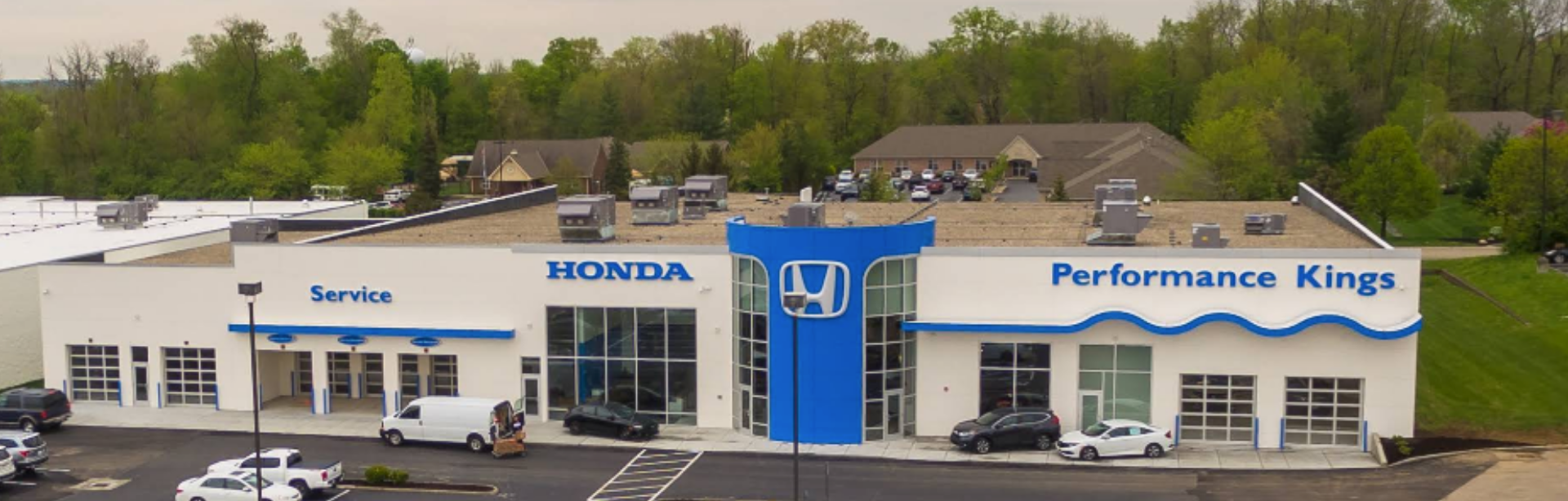
At Performance Kings Honda, we provide a premier automotive experience for drivers in Cincinnati, Mason, Loveland, and throughout the greater Hamilton County area. Our dealership is a cornerstone of the family owned Performance Automotive Network, which has been a leader in the industry for over 50 years. We have earned the prestigious Honda President’s Award nine times, an elite honor that distinguishes us as one of the top Honda dealerships in the nation for customer satisfaction and operational excellence. We are deeply committed to our local community through the Performance Inspired Kindness initiative, supporting vital organizations like the Joe Burrow Foundation and the Cincinnati Children’s Hospital. Whether you are visiting our state of the art facility in the Kings Automall or seeking care from our factory trained technicians, you can trust our decades of professional expertise to provide a rewarding and transparent experience.
Related Articles:
The Ultimate Guide to Finding the Best Honda Dealer in Cincinnati, OH
0 comment(s) so far on Understanding the Honda Service Schedule for Cincinnati