


Does higher octane gas make your economy car more efficient?
With gas prices creeping upward, many car owners are looking for ways to save money at the pump. Although regular gas is typically cheaper upfront than premium gas, some drivers might wonder if they can save money over time by filling their vehicles with premium gas to maximize their car’s fuel efficiency, even if their cars are economy and not the type of vehicles that car manufacturers typically recommend filling with higher octane gas. Click the link below to give us a call if you have questions about high octane gas for your economy car.
Read on to learn more about what the different octane levels in gasoline actually mean, whether higher octane gas can make an economy car more efficient in its use of fuel, and what strategies you can use to optimize your vehicle’s fuel efficiency.
Does Higher Octane Gas Make Your Economy Car More Efficient?
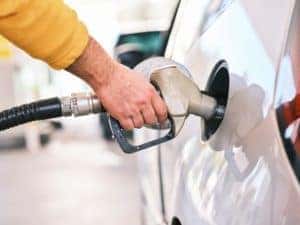
Many car companies suggest that owners of luxury end or high-performance vehicles fill their tanks with premium — meaning high octane — gasoline. These types of cars often have engines more prone to engine knocks. Engine knocking occurs when the gasoline inside the vehicle tank ignites with the air before it should, resulting in a pre-ignition explosion that makes a knocking noise.
Higher octane gas can help prevent this knocking, which is why numerous car manufacturers recommend this kind of fuel for high-end or off-roading vehicles. If you have a car that comes with an owner’s manual suggesting that you use premium fuel, this higher octane gas will improve the fuel efficiency of your vehicle.
However, if you have an economy vehicle, opting for premium gas won’t improve your fuel efficiency. Most modern economy cars, such as Honda Accords or Honda Civics, already have internal computers that eliminate engine knocking, making the use of higher octane gas unnecessary.
How Does Premium Gas Differ From Regular Gas?
Both premium and regular gasoline are made from crude oil. The fundamental difference between regular and premium gases are their octane levels. Octane is a flammable chemical compound that allows your car’s engine to run when ignited. When choosing what type of fuel to get at the pump, you might see each type of gas labeled with different numbers, such as 87, 89, or 91. The number refers to the percentage of the fuel’s performance compared to pure octane levels.
Premium fuel typically has an octane level of 90 or above. Gasoline with lower amounts of octane can burn faster than those with higher levels of octane, which means they use less energy to ignite, but also that they tend to burn more quickly in high pressure environments and lead to knocking. The knocking hinders the normal operations of a car engine cylinders, which can also lead to damaging the engine. That’s why car manufacturers recommend that luxury or off-roading vehicles use premium gasoline.
Can You Save Money by Using Premium Gas To Improve Your Car’s Fuel Efficiency?
Ultimately, whether you can save money by using premium gas depends on your type of car. If you have a car where the manufacturer’s recommendation is to use premium gasoline, you can certainly optimize your car’s fuel efficiency by following the manufacturer’s suggestion. Using premium gasoline for a luxury or off-road capable car can help reduce the chance of damaging the vehicle’s pistons, valves, or spark plugs, all of which can lower your fuel efficiency .
However, if you own an economy vehicle, you will likely not save any money by switching to premium gasoline. Filling these commuter cars with higher octane gas will not improve your car’s performance or fuel efficiency. Premium gasoline improves the fuel efficiency of luxury or sporty vehicles because it works well in conjunction with their high performance engines. The higher octane gasoline on its own, however, doesn’t offer an economy car any benefit.
Which Vehicles Require Higher Octane Gas?
If you’re trying to determine what type of gasoline to fill your car with, consult your owner’s manual. Most car manufacturers specify the ideal octane level of gasoline to put into your automobile’s tank, whether that level is 87, 91, or a different number. You can also try checking the inside of the small door protecting your fuel tank that you unlatch when you fill up your car with gas. Many car companies place a sticker there with the suggested minimum amount of octane to put into the car.
How Can I Improve My Fuel Efficiency?
Regardless of the type of gasoline that your engine uses, there are lots of ways that you can boost the fuel efficiency of your vehicle. Knowing how to optimize your fuel efficiency can not only save you money but also help protect the environment. Here are just a few tips that can help you make the most out of every gallon of fuel you put into your car:
Get Your Car Serviced Regularly
Follow your car manufacturer’s suggested schedule for service appointments. Conducting consistent and preventive maintenance can help you catch issues with your vehicle before they become bigger problems that affect your car’s performance. For instance, engines that aren’t operating well can lower fuel efficiency. It’s also important to keep your tires filled up because inflated tires have better resistance and gripping ability, which prevents them from rolling unnecessarily.
Reduce Your Load
When possible, travel with as few heavy items as possible. Heavier cars require more gasoline to move, which can reduce your fuel efficiency. If you have lots of belongings in your cargo area, consider cleaning those out. You can also take off the roof or trunk racks when you aren’t using them.
Drive at a Steady Pace
Do your best to drive at a consistent speed while remaining mindful of speed limits, other vehicles, pedestrians, and other necessary factors when driving. Try not to slam on either your accelerator or your brake pedal too often, but instead strive to ease your foot down slowly. Constant or rapid acceleration and deceleration can lower your vehicle’s fuel efficiency, whereas traveling at a steady pace can boost it considerably.
Don’t Let Your Car Idle
Avoid letting your car idle, such as when you’re waiting for someone. Even if you aren’t driving, your engine still uses fuel to keep your car running, so turning it off can optimize your fuel efficiency.
If you have any concerns about your car’s fuel efficiency or other potential issues, free to give us a call at (513) 791-9090 or schedule a service appointment online.
Image Source: Image by engin akyurt is licensed with Unsplash License
0 comment(s) so far on Does higher octane gas make your economy car more efficient?